

Signal Layer
Agents monitor port, carrier, customs, weather, route, and infrastructure signals.
Events are normalized with source metadata, severity, confidence, and provenance before they reach an operator.
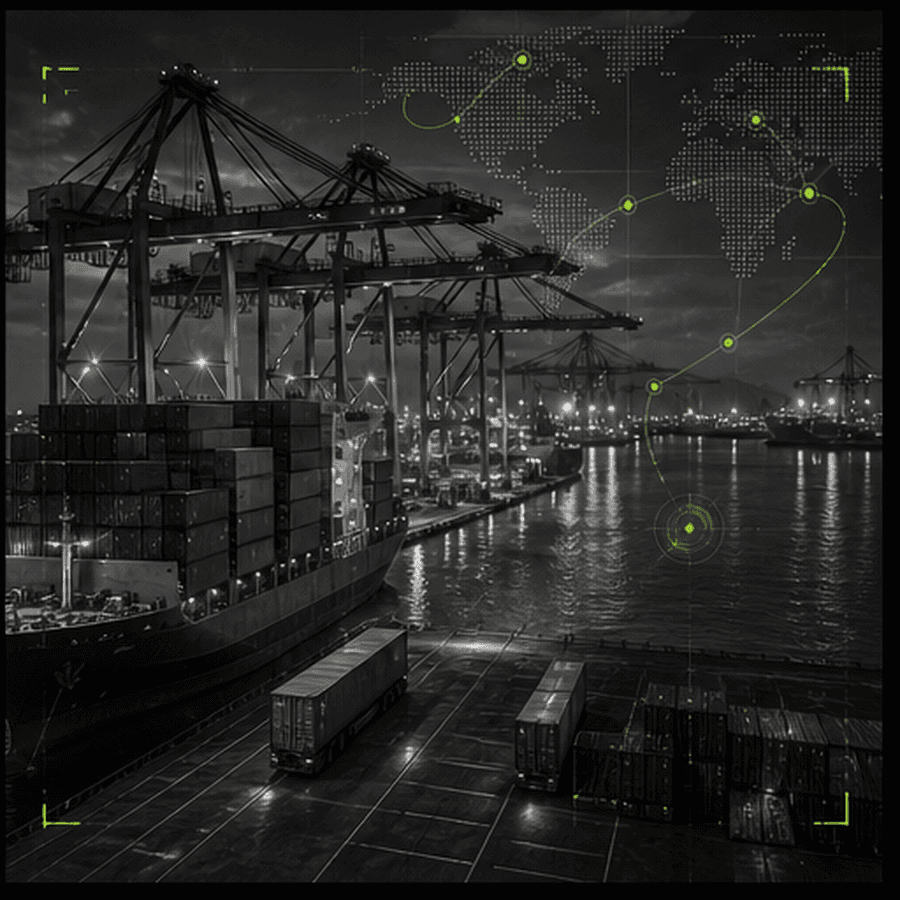
Intelligence Loop
For ports & logistics, CMD acts as the command layer between the signal environment and the people who own the response. Agents watch the outside world, Convex keeps the operating model live, and every brief carries sources, confidence, routing, and provenance.
Agents monitor port, carrier, customs, weather, route, and infrastructure signals.
Events are normalized with source metadata, severity, confidence, and provenance before they reach an operator.
CMD resolves each signal against lanes, terminals, carriers, etas.
The platform links change to dependency paths, commitments, timing, risk windows, and affected operating teams.
The system explains what changed, what it affects, and why it matters.
Briefs carry sources, confidence, impact, recommended action, and the context needed for human review.
Work routes to logistics, operations, customer-delivery, and carrier owners.
The loop is accountable: protect lane reliability, exception handling, and customer delivery timing, with action status and audit trail preserved.
Live Objects
Lanes, terminals, carriers, ETAs
Watched Signals
Congestion, routes, customs, weather, infrastructure
Decision Owners
logistics, operations, customer-delivery, and carrier owners
Outcome
protect lane reliability, exception handling, and customer delivery timing
A useful first brief needs the surface, source environment, operating objects, and owner path. From there, CMD can model how agents should watch, map, brief, route, and preserve decisions.