// External Change Monitoring

External Change,
Explained.

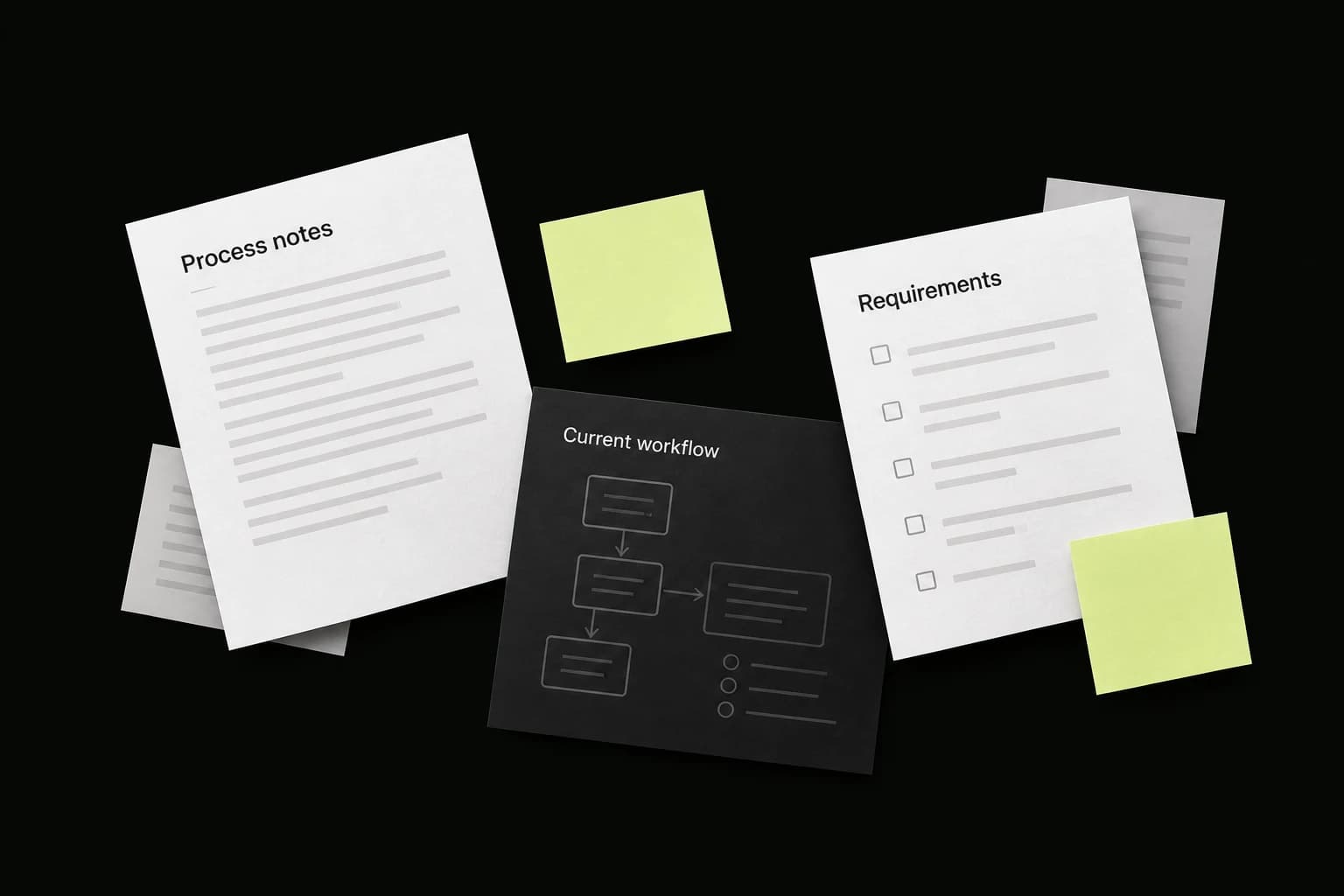
CMD watches the outside world for aircraft manufacturers. When a policy, supplier, weather, logistics, or certification change touches a program, we explain the impact and route the next action to the right owner.

Monitor external change

Explain program impact

Route owner action

CMD Decision Brief

A source-backed answer to: what changed, why it matters, and who should act.

Live

01

Watch

External change

Agents monitor policy, certified suppliers, airports, weather, export controls, and other outside signals.

02

Explain

Program exposure

CMD connects the signal to the NXA-200 aircraft program, certified suppliers, facilities, MRO lanes, and decisions it could affect.

03

Route

Owner action

The right person gets a source-backed brief with impact, confidence, and the recommended next step.

Example: a new FAA docket touches the NXA-200 flap actuator control unit. CMD explains the certification exposure and routes an applicability check to the aircraft program owner.

Action ready
01
Agentic Signal Intake
Agents monitor source groups, normalize external events, attach provenance, and score which signals deserve human attention.
02
Exposure Mapping
Signals are matched against aircraft programs, approved suppliers, facilities, certification gates, spend, timing, and delivery decisions.
03
Briefs, Owners & Actions
The system turns mapped exposure into source-linked briefs, accountable owners, recommended next steps, and an audit trail.
// Product Architecture

A Console For Agent Work.
Built Around Human Ownership.

The product focus is narrow: agents do the monitoring, matching, summarizing, and routing, while teams keep the decision context, ownership, source evidence, and audit trail in one place.

// Product Flow

Agents Turn Signals Into Accountable Decisions.

The console starts with external change, then shows the agent work behind each brief: source intake, program exposure, line-fit impact, owner routing, and provenance.

Open Console

Selected Signal

FAA AD Docket Review - Flap Actuator Control Unit

Docket language may affect the Block 2 actuator compliance file and the MSN 143 customer acceptance window.

Objects
3
Exposure
$58.4M
Confidence
91%
01

Signal Ingestor

Watching 268 sources

Normalizes external events, source metadata, severity, and confidence.

02

Program Mapper

3 program objects linked

Connects the signal to NXA-200 assemblies, approved suppliers, certification files, regions, and delivery timing.

03

Briefing Analyst

91% confidence

Drafts a source-linked decision brief with impact and recommended action.

04

Escalation Router

Owner review queued

Routes accountable work to decision owners while preserving the audit trail.

Decision Brief

Confirm FAA docket applicability for affected actuator baselines before the MSN 143 acceptance-flight readiness review.

Owner Action

Maya Patel · NXA-200 Program Risk Lead · certification action queued with sources and audit trail attached.

// Console Preview

Three Console Views.
One Decision Loop.

The product moves from live operations to agent reasoning to accountable work: dashboard, brief detail, and owner queue stay connected around the same signal.

Dashboard

NXA-200 Program Dashboard

A command view for live briefs, high-priority signals, exposed spend, source coverage, and active agent work.

1

Live brief

HighFAA flap actuator docketBriefable
HighTrunnion forging allocationBriefable
MedAvionics SBOM advisoryWatching
Brief Detail

Source-Linked Agent Brief

The analyst view explains what changed, which sources support it, confidence, program impact, and action.

91%

Confidence

Impact14 Block 2 shipsets in review72h window
Exposure3 objects, $58.4M exposureLinked
ActionCheck FAA docket applicabilityQueued
Owner Queue

Accountable Next Steps

Owner routing keeps each recommendation attached to a person, due window, source trail, and status.

2

Tracked actions

CEFAA docket applicability checkToday
SQTrunnion allocation recovery24 Jun
FOMSN 143 flight-test resequenceToday
// Intelligence Objects

The Objects Agents
Need To Reason Over.

Agent Setup
01

Signals

Market moves, regulatory changes, logistics events, competitor actions, climate signals, infrastructure updates, and source-linked observations.

02

Program Objects

Aircraft assemblies, approved suppliers, facilities, certification gates, MSNs, delivery slots, and operating units tied to external change.

03

Exposure Paths

Program-specific risks, dependency paths, affected teams, likely timelines, and confidence levels.

04

Briefs

Situation updates, leadership notes, daily digests, source-linked summaries, and plain-language explanations of what changed and why it matters.

05

Watchlists

Persistent monitoring for critical suppliers, markets, regions, categories, policies, infrastructure signals, and emerging issues.

06

Decisions

Program owners, recommended actions, escalation paths, rationale, timestamps, and the context behind each response.

// Briefing Setup

Start With One Decision Loop.
Teach The Agents The Aircraft Program.

CMD starts with a real operating decision, then maps the sources, entities, thresholds, escalation rules, and owner actions the agents need to support that decision in the console.

Build Briefing Loop

Agent Setup

From External Signal To Accountable Response

0101

Map The Aircraft Program

Identify aircraft programs, certified suppliers, facilities, MRO lanes, policies, and decision owners the agents should understand first.

0202

Define The Signal Layer

Decide which sources, event types, entities, confidence levels, and alert thresholds should feed the console.

0303

Define The Briefing Loop

Clarify who receives briefs, which decisions they support, what gets escalated, and which owner actions are tracked.

0404

Validate With Decision Owners

Test whether the console improves timing, clarity, confidence, or coordination for one real operating decision.

What Gets Configured

Program Map

Assemblies, regions, dependencies, event types, source priorities, and owner routing paths.

Intelligence Brief

A narrow decision surface with sources, impact, confidence, recommended action, and accountable owner.

Briefing Loop

Source assumptions, Convex-backed object model, briefing cadence, integrations, and success measures.

Strong First Pilot

  • External change already affects aircraft program decisions
  • Multiple sources are hard to interpret quickly
  • Risks or opportunities need owner-level escalation
  • Clear decision owner for the first briefing loop
// Contact

Request A Decision
Briefing.

Talk with CMD about one external signal class, the aircraft program objects it affects, the owner who needs the brief, and the decision the briefing needs to support.

External signals

Program briefs

Owner actions

Intake Channel
Contact
Tell us enough to route the conversation: the signals you care about, the aircraft program objects they affect, the teams involved, and what a useful decision briefing would need to explain.

We'll respond within one business day.

Messages are delivered directly to our team.

Use Cases

CMD is built for teams that need outside events translated into clear exposure, briefings, owner actions, and source-backed accountability.

01

Aircraft program risk

02

Supplier quality events

03

Certification and export controls

04

MRO and delivery briefings